
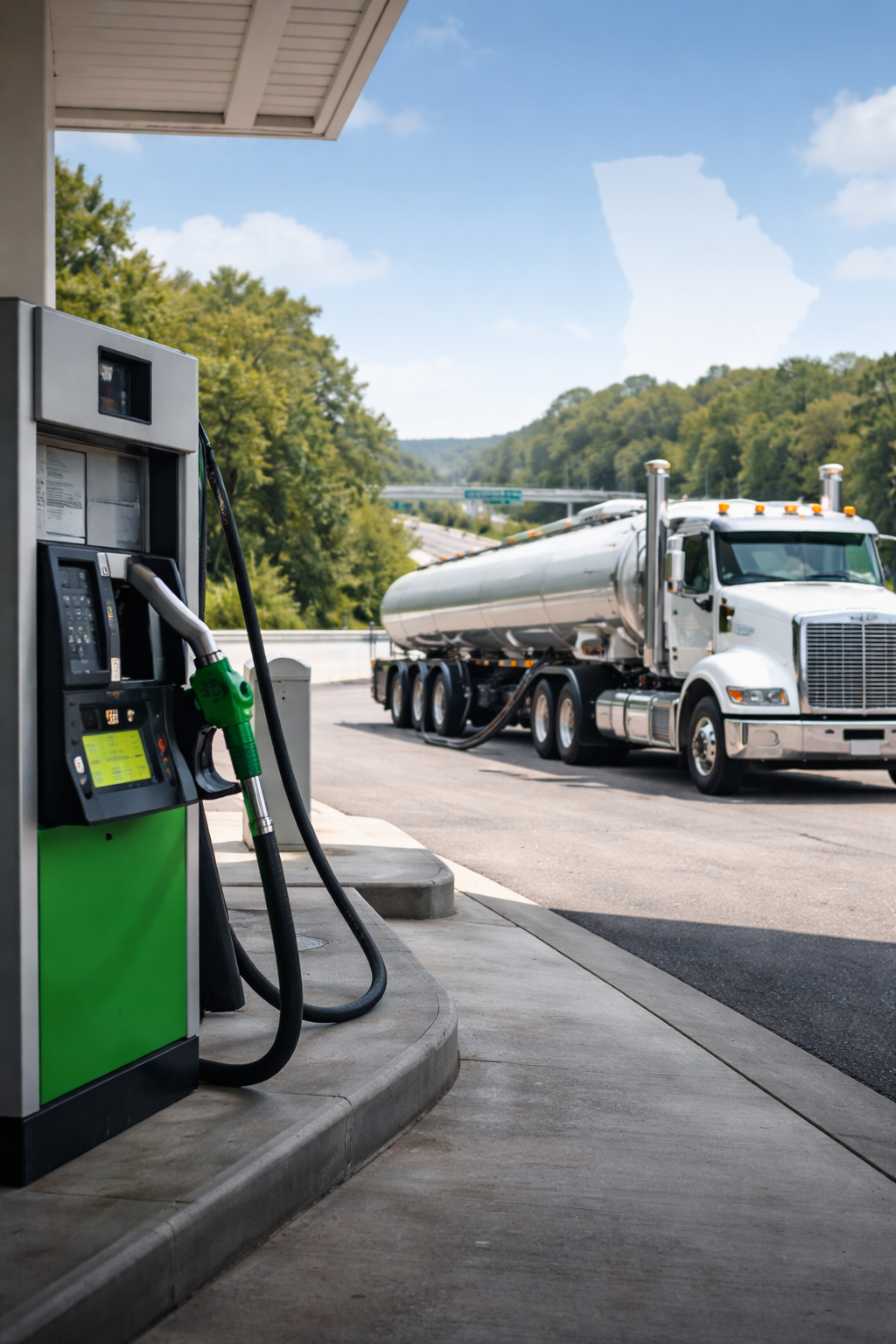
Understanding the price of diesel fuel in Georgia matters for businesses, fleet operators, and anyone who depends on fuel to keep things running. Diesel prices affect transportation costs, construction budgets, and even the price of goods across the state. That’s why so many people keep a close eye on fuel trends and delivery options.
Whether you manage a fleet or work with a gas delivery company, knowing how diesel pricing works helps you plan better. With fuel in Georgia influenced by supply, demand, and seasonal changes, staying informed can save both time and money.
Why Do People Track the Price of Diesel Fuel in Georgia?
Diesel isn’t just another fuel—it powers trucks, generators, heavy equipment, and supply chains. When the price of diesel fuel in Georgia rises or falls, it directly impacts operating costs for businesses statewide.
Companies that rely on Georgia fuel services often monitor diesel prices to:
-
Control transportation and logistics costs
-
Plan fuel purchases ahead of time
-
Decide between retail fueling or bulk delivery
-
Adjust budgets during peak seasons
Understanding pricing trends helps avoid surprises.
What Factors Affect Diesel Fuel Prices in Georgia?
Several factors influence the price of diesel fuel in Georgia, including:
-
Crude oil market conditions
-
Refining and distribution costs
-
Seasonal demand (construction, farming, travel)
-
State and federal taxes
-
Transportation and supply chain issues
These factors also impact gasoline delivery and overall fuel in Georgia, making prices change more often than many people expect.
How Georgia Fuel Delivery Impacts Diesel Pricing
Working with a reliable gas delivery company can help stabilize fuel costs. Instead of reacting to daily retail price changes, many businesses use scheduled fuel delivery to manage expenses more predictably.
Fuel delivery offers:
-
Locked-in or contract pricing options
-
Reduced exposure to daily price swings
-
Better fuel planning and inventory control
-
Direct access to bulk fuel supply
This is why delivery services play a growing role in Georgia’s fuel market.
Why Gasoline Delivery and Diesel Pricing Are Connected
Although diesel and gasoline are different fuels, their prices often move together. Changes in crude oil prices or refining capacity affect both fuels. That’s why companies offering gasoline delivery also closely track diesel trends.
Businesses that depend on both fuels benefit from:
-
One supplier for multiple fuel types
-
Consistent delivery schedules
-
Transparent pricing communication
This simplifies fuel management across operations.
Benefits of Understanding the Price of Diesel Fuel in Georgia
Knowing how diesel prices work helps you:
-
Budget more accurately
-
Choose the right fuel purchasing method
-
Reduce unexpected fuel expenses
-
Plan deliveries at the right time
-
Improve overall cost control
For businesses, fuel knowledge is just as important as fuel supply.
How Businesses Use Fuel in Georgia More Efficiently
Companies across the state are improving fuel efficiency by:
-
Switching to bulk or scheduled delivery
-
Monitoring usage patterns
-
Reducing unnecessary trips to retail stations
-
Partnering with experienced fuel providers
These strategies help offset fluctuations in the price of diesel fuel in Georgia.
FAQs
1) What is the current price of diesel fuel in Georgia?
Diesel prices change daily based on market conditions, supply, and demand. Checking local fuel reports gives the most accurate rates.
2) Why does the price of diesel fuel in Georgia fluctuate so often?
Prices are influenced by oil markets, taxes, transportation costs, and seasonal demand.
3) Does fuel delivery affect diesel pricing?
Yes. Working with a fuel delivery provider can offer more stable pricing compared to retail stations.
4) How is diesel pricing different from gasoline pricing?
Diesel often costs more due to refining processes and higher demand from commercial industries.
5) Can businesses control fuel costs in Georgia?
Yes. Bulk purchasing, delivery contracts, and monitoring usage help manage fuel expenses.