
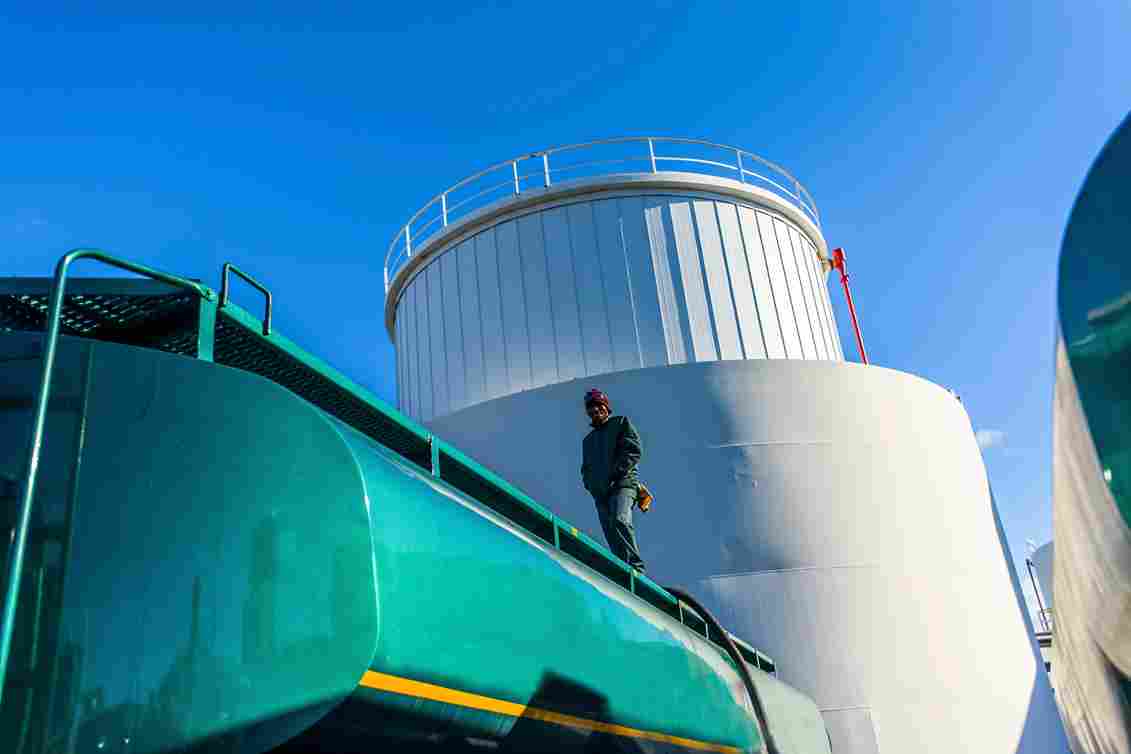
Diesel Distribution continues to power some of the biggest industries in the United States, even as conversations around electric vehicles and renewable energy keep growing. But here’s the real question many businesses are asking right now: Can the US economy realistically function without diesel anytime soon? For construction companies, trucking fleets, farmers, warehouses, manufacturers, and emergency services, the answer is still a clear no.
Every day, diesel fuel helps move products across states, powers heavy equipment on construction sites, supports farming operations, and keeps supply chains running. Without dependable diesel distribution networks, shelves would empty faster, shipping delays would grow, and major industries would struggle to stay productive.
Even with changing energy trends, diesel remains deeply connected to how America works, builds, transports, and delivers goods.
Let’s take a closer look at why diesel distribution still matters so much and why businesses continue depending on it every single day.
What Is Diesel Distribution?
At its core, Diesel Distribution is the process of transporting and supplying diesel fuel from refineries and storage terminals to businesses, fuel stations, job sites, fleets, and industrial operations.
This system includes:
- Fuel terminals
- Bulk fuel suppliers
- Delivery trucks
- Storage facilities
- Fleet fueling services
- Emergency fuel providers
It’s a massive network working behind the scenes to keep industries moving smoothly.
Most people don’t think much about diesel until fuel shortages, shipping delays, or rising prices suddenly impact everyday life.
Diesel Powers America’s Transportation Industry
One of the biggest reasons diesel distribution remains critical is transportation.
The US economy depends heavily on trucking to move goods across the country.
Diesel fuels:
- Semi-trucks
- Delivery vehicles
- Freight carriers
- Shipping fleets
- Public transportation
- Utility trucks
Think about how products get to stores, warehouses, and homes. From groceries and medical supplies to furniture and construction materials, diesel-powered transportation handles a huge percentage of freight movement nationwide.
Without efficient diesel supply chains, transportation costs would rise quickly and delivery times would slow down dramatically.
Construction Companies Depend on Diesel Every Day
Construction projects across America rely heavily on diesel-powered equipment.
Common examples include:
- Excavators
- Bulldozers
- Cranes
- Backhoes
- Dump trucks
- Generators
- Loaders
A single large commercial project may consume thousands of gallons of diesel weekly.
Reliable Diesel Distribution ensures construction crews can stay productive without major interruptions.
Imagine a highway project delayed because equipment couldn’t get fuel delivered on time. Labor costs rise, deadlines get missed, and budgets spiral quickly.
That’s why dependable fuel logistics are essential in the construction industry.
Agriculture Still Runs on Diesel Fuel
Farming remains another major reason diesel distribution continues playing such an important role.
Modern agriculture relies on diesel-powered:
- Tractors
- Harvesters
- Irrigation systems
- Transport trucks
- Farm generators
During planting and harvest seasons, farmers need reliable fuel access without delays.
Even short disruptions in fuel supply can impact crop schedules and food production timelines.
Diesel distribution networks help keep agricultural operations running efficiently across rural America.
Warehousing and Logistics Need Reliable Fuel Supply
Warehouses and logistics companies operate on speed and timing.
Every missed shipment or delayed delivery affects supply chains.
Diesel distribution supports:
- Freight transportation
- Distribution centers
- Fleet fueling
- Warehouse operations
- Last-mile delivery services
As ecommerce continues growing, logistics companies rely even more on fuel efficiency and dependable supply systems.
Many businesses now use bulk diesel delivery and on-site fueling to keep trucks operating with minimal downtime.
Emergency Services Depend on Diesel Distribution
Diesel plays a huge role during emergencies and natural disasters.
Critical operations powered by diesel include:
- Backup generators
- Emergency response vehicles
- Hospital systems
- Utility repair fleets
- Disaster recovery equipment
During hurricanes, winter storms, or power outages, reliable fuel distribution becomes even more important.
Emergency fuel providers often work around the clock to supply hospitals, municipalities, and recovery crews when traditional fueling systems are disrupted.
Without strong diesel distribution networks, emergency response efforts would slow significantly.
Diesel Distribution Supports Manufacturing and Industry
Manufacturing facilities across the country depend on diesel for transportation, equipment, and backup power.
Industrial sectors use diesel to support:
- Heavy machinery
- Shipping operations
- Factory generators
- Material handling equipment
- Industrial transportation fleets
Many factories also rely on diesel-powered backup systems to avoid costly shutdowns during power outages.
Reliable fuel supply helps manufacturers maintain production schedules and reduce operational risks.
Bulk Fuel Delivery Is Growing Across the US
More businesses are shifting toward bulk fuel delivery and on-site fueling services.
Why?
Because stopping vehicles or equipment for fuel wastes time and money.
Bulk diesel delivery helps businesses:
- Reduce downtime
- Improve efficiency
- Monitor fuel usage
- Control costs
- Simplify operations
Fleet fueling has become especially popular among trucking companies, warehouses, and construction firms.
Some businesses even schedule overnight fueling so equipment and vehicles are fully ready before the workday starts.
Fuel Technology Is Modernizing Diesel Distribution
The diesel industry has changed a lot over the years.
Modern fuel providers now use technologies like:
- GPS delivery tracking
- Automated tank monitoring
- Route optimization software
- Digital invoicing
- Fuel usage analytics
These tools help companies deliver fuel faster and more efficiently while improving customer experience.
Businesses can now track fuel usage closely and better manage operational costs.
Renewable Diesel Is Becoming Part of the Conversation
Even though diesel remains essential, cleaner fuel alternatives are becoming more common.
Many fuel suppliers now offer:
- Renewable diesel
- Biodiesel blends
- Lower-emission fuel options
Businesses are looking for ways to improve sustainability while still maintaining reliable heavy-duty performance.
Renewable diesel is especially attractive because it often works with existing diesel engines without requiring major infrastructure changes.
This allows companies to reduce emissions without completely overhauling operations.
Why Diesel Distribution Still Matters Despite EV Growth
Electric vehicles continue gaining attention, but heavy-duty industries still rely heavily on diesel.
Large commercial operations need:
- Long operating hours
- High towing capacity
- Reliable infrastructure
- Fast refueling
- Heavy-load performance
For many sectors, current electric technology still cannot fully replace diesel-powered systems at scale.
That’s why diesel distribution remains deeply tied to transportation, logistics, infrastructure, and industrial growth throughout the US economy.
What Businesses Look for in Diesel Distribution Providers
Companies typically prioritize several factors when choosing fuel suppliers.
Reliability
Businesses need fuel delivered consistently and on time.
Competitive Pricing
Bulk pricing and fuel contracts help manage costs.
Emergency Support
24/7 fuel access matters during disruptions.
Technology Integration
Businesses want tracking, reporting, and digital management tools.
Safety and Compliance
Fuel providers must meet strict transportation and environmental regulations.
Strong fuel partnerships often become critical long-term operational relationships.
FAQs About Diesel Distribution
What is diesel distribution?
Diesel distribution is the transportation and supply of diesel fuel from refineries and storage facilities to businesses, fleets, fuel stations, and industrial operations.
Why is diesel important to the US economy?
Diesel powers transportation, construction, agriculture, manufacturing, logistics, and emergency services across the country.
What industries rely most on diesel distribution?
Major industries include:
- Transportation
- Construction
- Agriculture
- Manufacturing
- Warehousing
- Emergency services
- Logistics
What is bulk diesel fuel delivery?
Bulk diesel fuel delivery involves transporting large fuel quantities directly to businesses, fleet yards, job sites, or storage tanks.
Is renewable diesel replacing traditional diesel?
Renewable diesel is growing, but traditional diesel still remains heavily used across most industries.
Why do logistics companies use on-site fueling?
On-site fueling reduces downtime, improves fleet efficiency, and helps businesses better manage fuel costs.
Final Thoughts
Diesel Distribution remains one of the hidden engines driving the US economy every day. From transportation and logistics to agriculture, construction, and emergency response, diesel continues supporting industries that millions of Americans depend on daily.
While energy technologies continue evolving, diesel still provides the reliability, power, and infrastructure needed for heavy-duty operations nationwide. Modern fuel distribution networks, bulk fuel delivery services, and renewable diesel options are helping businesses operate more efficiently while adapting to changing demands.
For now and for the foreseeable future, dependable Diesel Distribution will continue playing a major role in keeping America moving, building, producing, and delivering.