
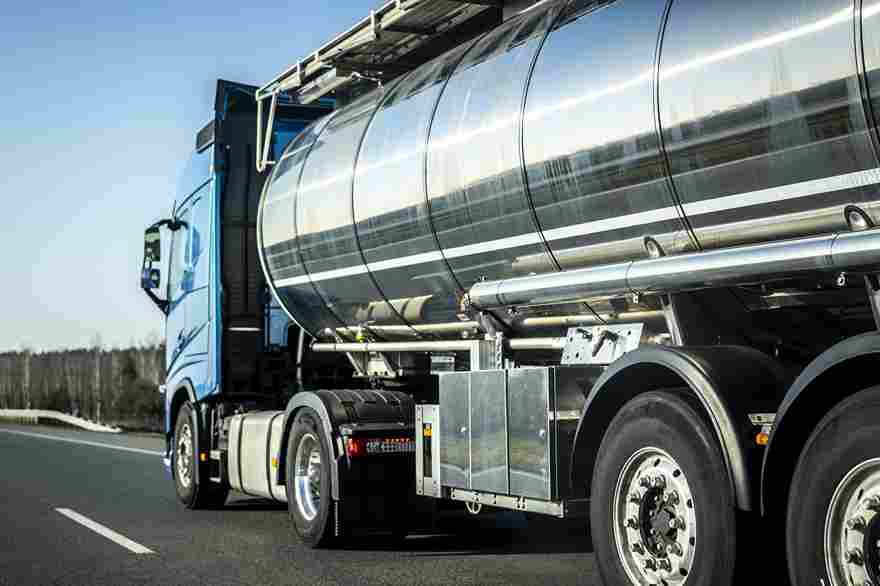
Fuel Distribution is about much more than simply moving fuel from one place to another. For fuel companies looking to grow in the United States, one of the biggest questions is this: Where should we expand next? Pick the right service area, and business can grow fast. Pick the wrong one, and delivery costs, competition, and operational problems can quickly eat into profits.
That’s why fuel distributors spend a lot of time analyzing markets, transportation routes, customer demand, infrastructure, and long-term growth opportunities before entering new regions.
Whether it’s diesel fuel delivery, gasoline supply, fleet fueling, or bulk fuel services, choosing the right distribution areas has become a major strategic decision in today’s fuel industry.
Let’s break down how successful fuel companies decide where to grow and what factors shape those decisions.
Why Fuel Distribution Areas Matter So Much
Location can make or break a fuel distribution business.
A strong distribution area allows companies to:
- Deliver fuel faster
- Reduce transportation costs
- Serve more customers efficiently
- Improve profit margins
- Build stronger long-term relationships
A poor service area, on the other hand, can lead to:
- Long delivery times
- Higher fuel transportation costs
- Driver inefficiencies
- Increased competition
- Lower profitability
That’s why companies carefully study market conditions before expanding their fuel distribution networks.
Fuel Distribution Companies Look for High-Demand Industries
One of the first things fuel suppliers analyze is local industry demand.
Areas with strong industrial activity usually create steady fuel needs.
Industries That Drive Fuel Demand
Construction
Large construction markets consume huge amounts of diesel fuel daily.
Transportation and Logistics
Truck fleets and distribution centers require constant fueling support.
Agriculture
Farming regions depend heavily on diesel-powered equipment.
Manufacturing
Factories often need fuel for transportation and backup systems.
Warehousing and Ecommerce
Growing logistics hubs increase fuel consumption significantly.
For example, a fuel company may target a fast-growing warehouse region near a major interstate because transportation fleets there create consistent long-term demand.
Transportation Access Is a Huge Factor
Fuel delivery companies rely heavily on efficient transportation routes.
That means access to:
- Major highways
- Interstates
- Rail systems
- Fuel terminals
- Ports
- Storage facilities
The easier it is to move fuel efficiently, the more profitable operations become.
A company serving customers near major transportation corridors can often complete more deliveries with lower operating costs compared to remote locations.
That’s one reason why many fuel distributors focus on growing near major logistics and industrial centers.
Population Growth Often Signals Opportunity
Fast-growing cities and suburban regions usually create rising fuel demand.
As populations grow:
- More construction projects begin
- Transportation activity increases
- Warehousing expands
- Delivery services grow
- Commercial development rises
Fuel companies pay close attention to regional growth trends because today’s developing market could become tomorrow’s major service hub.
For example, many fuel providers have expanded rapidly in states like:
- Texas
- Florida
- Georgia
- Arizona
- North Carolina
because of strong business and population growth.
Competition Plays a Big Role in Expansion Decisions
Not every high-demand market is automatically attractive.
Fuel companies also study:
- Existing fuel suppliers
- Local pricing competition
- Service gaps
- Customer complaints
- Delivery reliability issues
Sometimes the best growth opportunities exist in areas where customers are unhappy with current providers.
A fuel company offering faster service, better technology, or stronger customer support can often gain traction even in competitive regions.
Fuel Distribution Companies Study Delivery Efficiency Carefully
Delivery efficiency directly affects profitability.
Fuel providers analyze things like:
- Delivery route density
- Distance between customers
- Traffic conditions
- Driver availability
- Fuel storage accessibility
Serving customers that are spread too far apart may increase transportation costs significantly.
That’s why companies often prioritize regions where multiple customers can be serviced efficiently within the same routes.
This helps improve:
- Driver productivity
- Fuel truck utilization
- Delivery speed
- Profit margins
Infrastructure Availability Matters
Reliable fuel infrastructure is critical for successful growth.
Companies evaluate:
- Fuel terminals
- Storage tank access
- Bulk fuel supply availability
- Pipeline connections
- Loading rack capacity
Without strong infrastructure, expanding into new areas becomes much more difficult and expensive.
Fuel distributors often prefer regions with established supply networks that can support future growth smoothly.
Technology Helps Fuel Companies Analyze Growth Areas
Modern Fuel Distribution companies use technology heavily when evaluating expansion opportunities.
Common tools include:
- GPS route analysis
- Market demand forecasting
- Customer usage analytics
- Fuel consumption trends
- Geographic data mapping
- Delivery optimization software
Technology helps businesses make smarter decisions instead of relying purely on guesswork.
For example, route optimization systems may reveal that one region can support twice as many deliveries with lower operating costs compared to another nearby market.
Customer Demand for On-Site Fueling Is Growing
More businesses now want fuel delivered directly to:
- Construction sites
- Fleet yards
- Warehouses
- Equipment storage areas
This growing demand for mobile fueling and bulk fuel delivery is influencing where companies expand.
Regions with strong commercial fleet activity often become highly attractive fuel distribution markets.
Fuel companies increasingly prioritize areas where:
- Fleet fueling demand is growing
- Ecommerce logistics are expanding
- Industrial development is increasing
Fuel Pricing and Taxes Influence Expansion Decisions
Fuel costs vary significantly across different states and regions.
Companies must consider:
- Fuel taxes
- Operating costs
- Environmental regulations
- Licensing requirements
- Compliance expenses
Some regions may have strong customer demand but high operational costs that reduce profitability.
Fuel distributors carefully balance opportunity versus expense before entering new markets.
Sustainability Trends Are Shaping Fuel Distribution Growth
The fuel industry is evolving, and many companies now evaluate regions based on future energy trends too.
Growing demand for:
- Renewable diesel
- Biodiesel blends
- Cleaner fuel solutions
is influencing expansion strategies.
Some businesses are positioning themselves early in markets expected to adopt cleaner fuel technologies more aggressively in the coming years.
Building Long-Term Customer Relationships Matters
Fuel distribution is often relationship-driven.
Companies want service areas where they can build strong long-term partnerships with:
- Construction firms
- Trucking companies
- Municipalities
- Industrial facilities
- Agricultural operations
Reliable service often leads to repeat business and long-term fuel contracts.
That stability helps fuel companies grow sustainably over time.
Common Challenges Fuel Companies Face When Expanding
Growing into new markets isn’t always easy.
Some common challenges include:
Driver Shortages
Finding qualified fuel delivery drivers can be difficult.
Infrastructure Costs
New storage facilities and equipment require major investment.
Regulatory Compliance
Fuel transportation rules vary by state.
Supply Chain Disruptions
Fuel availability can fluctuate unexpectedly.
Market Competition
Established providers may already dominate certain regions.
Successful companies plan carefully to manage these risks before expanding operations.
FAQs About Fuel Distribution
What is fuel distribution?
Fuel distribution involves transporting fuel from refineries or storage terminals to businesses, gas stations, fleets, and industrial customers.
Why do fuel companies choose specific service areas?
Fuel companies select areas based on demand, transportation access, infrastructure, competition, and long-term growth potential.
Which industries create the highest fuel demand?
Industries with strong fuel demand include:
- Construction
- Transportation
- Logistics
- Agriculture
- Manufacturing
- Warehousing
Why is route efficiency important in fuel distribution?
Efficient delivery routes reduce transportation costs, improve driver productivity, and increase profitability.
How does technology help fuel distributors grow?
Technology helps companies analyze fuel demand, optimize routes, monitor deliveries, and improve operational efficiency.
What role does renewable diesel play in fuel distribution?
Renewable diesel is becoming more important as businesses seek cleaner fuel alternatives while maintaining heavy-duty performance.
Final Thoughts
Fuel Distribution companies don’t choose growth areas randomly. Every expansion decision involves careful planning around customer demand, transportation access, infrastructure, competition, technology, and long-term profitability.
As industries like logistics, construction, agriculture, and ecommerce continue growing across the United States, fuel distributors are constantly searching for regions where they can operate efficiently and build strong customer relationships.
Modern fuel distribution is no longer just about moving fuel. It’s about smart logistics, data-driven decisions, operational efficiency, and adapting to changing market demands. Companies that understand where and how to grow strategically will continue leading the future of Fuel Distribution across America.