
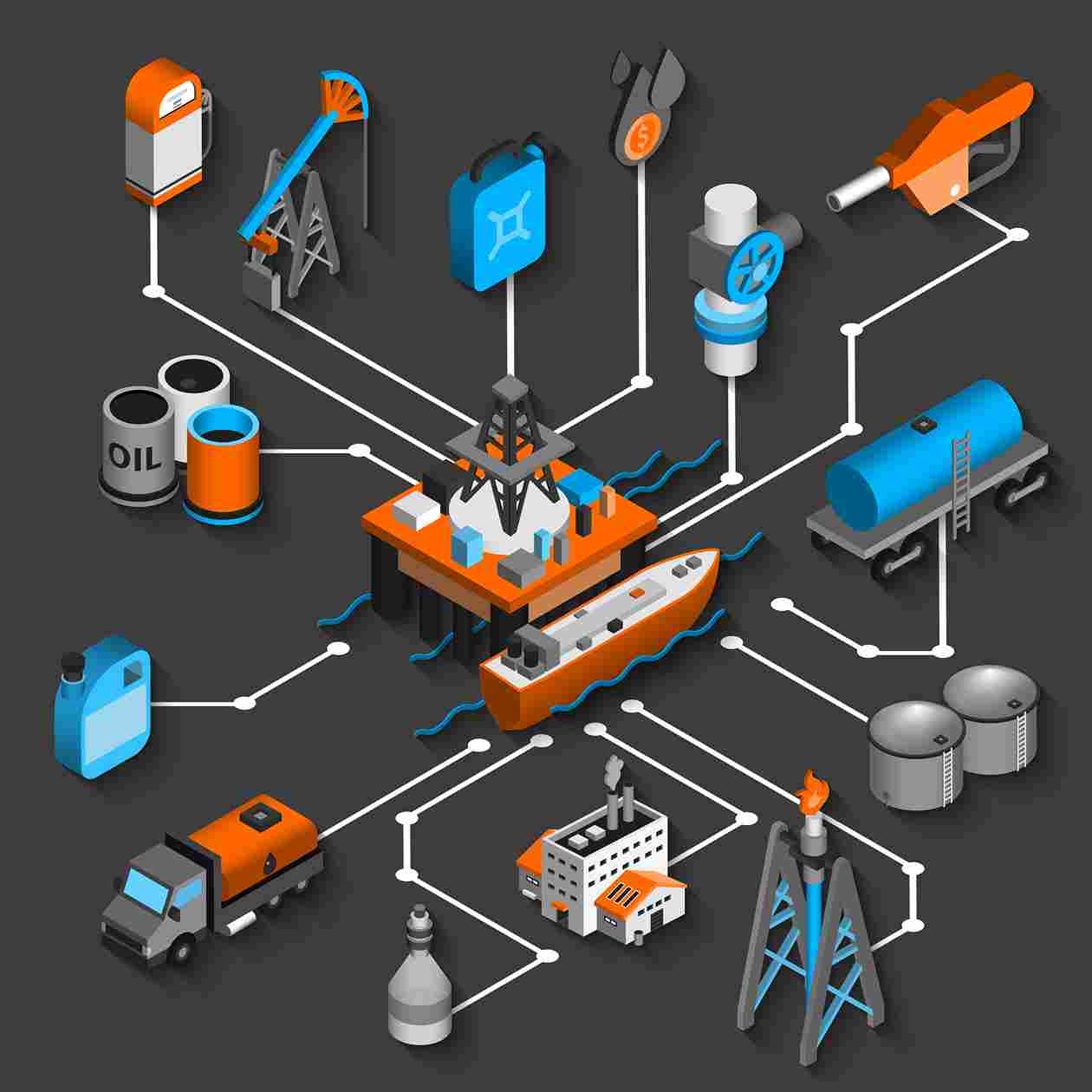
Fuel Distribution Market trends are shaping how businesses across the United States buy, store, and receive fuel every day.
Have you noticed how more companies are talking about supply chains, delivery delays, fuel costs, and operational efficiency? If you manage a fleet, run a construction company, own a convenience store, or oversee a manufacturing facility, these issues probably sound familiar.
Fuel is one of those things businesses rarely think about until there’s a problem. A delayed delivery, an empty storage tank, or unexpected price swings can disrupt an entire operation.
That is why the US fuel distribution market continues to evolve. Businesses want faster deliveries, dependable suppliers, better planning tools, and fuel solutions that help them stay productive.
What Is the Fuel Distribution Market?
The fuel distribution market includes the companies, infrastructure, and transportation systems responsible for moving fuel from refineries and terminals to businesses and consumers.
It covers a wide range of services, including:
- Bulk fuel delivery
- Commercial fuel distribution
- Diesel fuel delivery
- Gasoline transportation
- Fleet fueling
- Emergency fuel services
- Generator refueling
- On-site fueling
- Fuel storage and management
Every gallon of fuel delivered to a truck fleet, farm, job site, gas station, or industrial facility is part of this larger distribution network.
Why the Fuel Distribution Market Continues to Grow
Several factors are driving steady demand for fuel distribution services across the United States.
Growing Demand for Freight Transportation
America depends heavily on trucks to move products across the country.
Everything from groceries and medical supplies to building materials and online orders relies on commercial transportation.
As freight activity continues, businesses need:
- Reliable diesel supply
- Fleet fueling services
- Scheduled fuel deliveries
- Bulk fuel management
The more freight moves, the greater the need for dependable fuel distribution.
Expanding Construction Activity
Construction remains one of the largest users of diesel fuel.
From residential developments and commercial buildings to highways and infrastructure projects, heavy equipment depends on a consistent fuel supply.
Reliable fuel distribution helps construction companies:
- Keep projects on schedule
- Reduce equipment downtime
- Improve job site productivity
- Simplify fuel management
When fuel arrives directly at the job site, crews spend more time building and less time searching for fuel.
Continued Growth in E-Commerce
Online shopping has changed the way products move across the country.
Every order placed online often involves:
- Delivery trucks
- Distribution centers
- Warehouses
- Regional logistics hubs
Each step relies on transportation fueled by diesel or gasoline.
As e-commerce continues to expand, demand for efficient fuel distribution grows alongside it.
Strong Demand for Backup Power
Power outages caused by storms, extreme weather, or utility issues have encouraged more businesses to invest in backup generators.
Industries relying on generator fuel include:
- Hospitals
- Data centers
- Senior living communities
- Manufacturing plants
- Warehouses
- Public safety agencies
These facilities depend on fuel distributors for emergency and scheduled generator refueling.
Increased Focus on Business Efficiency
Companies are looking for ways to save both time and money.
Instead of sending drivers to fuel stations every day, many businesses now use:
- Bulk fuel storage
- On-site fueling
- Mobile fleet fueling
- Automated tank monitoring
- Scheduled fuel deliveries
These solutions help reduce downtime while improving overall efficiency.
Technology Is Changing the Fuel Distribution Market
Fuel delivery today looks very different than it did even a decade ago.
Technology has improved how fuel suppliers manage deliveries and customer service.
Many distributors now use:
- GPS route optimization
- Digital delivery tracking
- Remote tank monitoring
- Automated scheduling
- Electronic reporting
- Fuel usage analytics
For customers, that means better communication and fewer unexpected shortages.
Imagine managing a fleet of 50 trucks. Instead of checking every fuel tank manually, technology can alert your fuel supplier before tanks reach critical levels.
That kind of planning helps prevent disruptions.
The Role of Bulk Fuel Delivery
Bulk fuel delivery continues to grow because businesses want greater control over fuel availability.
Rather than relying on retail fueling stations, companies often choose scheduled deliveries directly to their property.
Bulk fuel delivery offers several benefits:
- Lower downtime
- Better fuel inventory control
- Improved productivity
- Simplified budgeting
- Reduced employee travel
- More predictable operations
Industries with heavy fuel usage often see significant operational advantages by switching to bulk fuel programs.
Industries Driving the Fuel Distribution Market
Many industries continue to increase demand for commercial fuel services.
Transportation and Logistics
Fleet operators require consistent fuel access to keep deliveries moving across local, regional, and national routes.
Construction
Heavy machinery, generators, and equipment depend on diesel throughout every stage of a project.
Agriculture
Farmers rely on diesel-powered equipment during planting, irrigation, harvesting, and transportation.
Manufacturing
Production facilities often use fuel for equipment, generators, boilers, and yard operations.
Emergency Services
Hospitals, municipalities, emergency response agencies, and utilities depend on fuel availability during critical situations.
Retail Fuel Stations
Gas stations rely on distributors to replenish underground fuel tanks and maintain uninterrupted customer service.
Challenges Facing the Fuel Distribution Market
Even with continued growth, the fuel distribution market faces several challenges.
These include:
- Fuel price fluctuations
- Supply chain disruptions
- Severe weather events
- Driver shortages
- Rising transportation costs
- Regulatory compliance
- Seasonal demand spikes
Successful fuel distributors focus on planning, communication, and efficient logistics to help customers navigate these challenges.
Why Businesses Value Reliable Fuel Partners
Fuel is more than a product. It is part of a company’s daily workflow.
A dependable fuel supplier helps businesses:
- Plan deliveries confidently
- Minimize equipment downtime
- Improve operational efficiency
- Respond to emergencies
- Monitor fuel usage
- Manage operating costs
Many companies view their fuel distributor as an operational partner rather than simply a vendor.
Sustainability and the Future of Fuel Distribution
The fuel industry continues to evolve alongside new technologies and environmental initiatives.
Many distributors are expanding services that include:
- Renewable diesel distribution
- Biodiesel blends
- Cleaner fuel options
- Improved delivery efficiency
- Reduced emissions through optimized routing
While alternative energy continues to grow, traditional diesel and gasoline remain essential for many industries throughout the United States.
The future of the fuel distribution market will likely combine dependable fuel delivery with smarter technology and cleaner operational practices.
How Businesses Can Prepare for the Future
Businesses can strengthen their fuel strategy by:
- Monitoring fuel consumption regularly
- Scheduling deliveries before tanks become low
- Investing in fuel storage where appropriate
- Working with experienced fuel distributors
- Planning for seasonal demand
- Reviewing emergency fuel procedures
- Using fuel management tools
Preparation helps reduce risk while improving day-to-day operations.
FAQs About the Fuel Distribution Market
What is the fuel distribution market?
The fuel distribution market includes the businesses, infrastructure, and transportation systems that move diesel, gasoline, and other fuels from suppliers to commercial and industrial customers.
Why is the fuel distribution market growing?
Growth is driven by increased freight transportation, construction activity, e-commerce expansion, backup power needs, and greater demand for efficient fuel management solutions.
Which industries depend most on fuel distribution?
Transportation, construction, agriculture, manufacturing, healthcare, logistics, retail fuel stations, municipalities, and emergency services all rely heavily on dependable fuel distribution.
What is bulk fuel delivery?
Bulk fuel delivery is the transportation of large quantities of fuel directly to businesses, storage tanks, farms, fleets, or job sites instead of retail fueling stations.
How is technology improving fuel distribution?
Technology improves fuel distribution through GPS routing, remote tank monitoring, automated scheduling, digital reporting, delivery tracking, and fuel usage analytics.
What challenges affect the fuel distribution market?
Common challenges include fuel price volatility, supply chain disruptions, weather events, labor shortages, transportation costs, and changing regulations.
What should businesses look for in a fuel distribution company?
Businesses should look for reliability, responsive customer service, emergency delivery options, fuel management support, delivery flexibility, and industry experience.
Final Thoughts
The US economy depends on businesses that cannot afford fuel interruptions. Whether it is a trucking fleet, construction company, farm, manufacturing plant, hospital, or retail fuel station, reliable fuel delivery keeps operations moving.
As technology advances, logistics improve, and businesses continue looking for greater efficiency, the Fuel Distribution Market will remain one of the most important parts of America’s commercial infrastructure.