
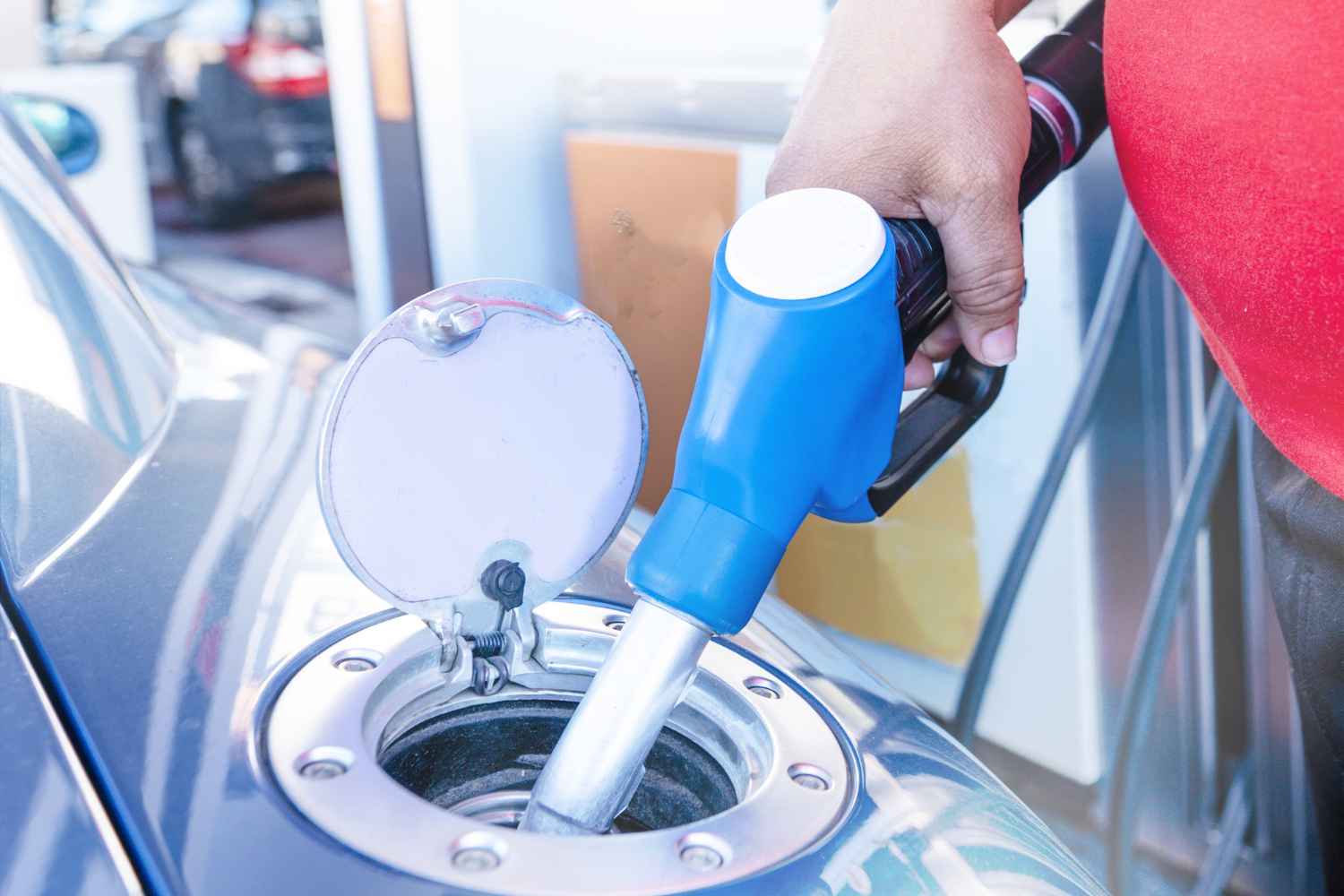
Diesel Distribution is the backbone of industries across the US—but what actually makes a distribution network strong and reliable?
Let’s start with the real concerns businesses have:
- What if fuel deliveries are delayed and operations stop?
- What if supply runs out during peak demand?
- How do some companies always seem to have fuel when others don’t?
If you depend on diesel, these aren’t small problems—they can impact everything from deadlines to revenue.
Why Diesel Distribution Matters More Than Ever
From trucking and construction to agriculture and manufacturing, diesel distribution keeps critical industries moving.
Without a strong system in place, businesses face:
- Downtime
- Missed deadlines
- Higher operational costs
That’s why having a reliable diesel distribution network isn’t optional—it’s essential.
What Is Diesel Distribution?
At its core, diesel distribution is how fuel moves from refineries to end users.
It includes:
- Fuel sourcing
- Storage and terminals
- Transportation (trucks, pipelines)
- Delivery to businesses and job sites
The stronger the system, the smoother the supply.
Key Elements of a Strong Diesel Distribution Network
Let’s break this down into what actually makes the difference.
1. Reliable Supply Sources
A strong diesel distribution network starts with access to fuel.
Top distributors:
- Work with multiple refineries
- Maintain diverse supply channels
- Plan for disruptions
Relying on one source? That’s a risk.
2. Strategic Storage and Terminals
Storage is everything.
Strong networks have:
- Well-placed fuel terminals
- Backup storage capacity
- Easy access to major routes
This allows faster distribution and prevents shortages.
3. Efficient Transportation and Logistics
This is where execution happens.
Top diesel distributors invest in:
- Modern trucking fleets
- Route optimization systems
- Skilled drivers and operators
The result:
- Faster deliveries
- Lower costs
- Higher reliability
4. Real-Time Tracking and Technology
Technology is no longer optional.
Strong diesel distribution systems use:
- GPS tracking
- Inventory monitoring
- Automated scheduling
- Demand forecasting
Better visibility = fewer surprises.
5. Flexibility and Scalability
Your fuel needs can change quickly.
A strong network can:
- Handle sudden demand spikes
- Adjust delivery schedules
- Scale with business growth
Flexibility keeps operations running smoothly.
6. Strong Customer Relationships
Here’s something many overlook…
Diesel distribution isn’t just logistics—it’s service.
Top companies:
- Communicate clearly
- Offer consistent delivery
- Build long-term partnerships
Trust keeps customers loyal.
7. Safety and Compliance Standards
Fuel distribution comes with risks.
Reliable networks:
- Follow strict safety protocols
- Meet federal and state regulations
- Train teams regularly
This protects both the supplier and the client.
A Real-World Example
Let’s say two diesel suppliers serve the same region.
Supplier A:
- Limited storage
- Unpredictable deliveries
- Weak communication
Supplier B:
- Strong logistics network
- Reliable delivery schedules
- Real-time tracking
Which one businesses stick with?
Supplier B—because consistency beats everything.
Common Weak Points in Diesel Distribution Networks
Let’s keep it honest.
Here’s where networks fail:
- Relying on a single supply source
- Poor logistics planning
- Lack of storage capacity
- Outdated technology
- Weak customer support
These gaps lead to delays, shortages, and lost clients.
How to Identify a Strong Diesel Distribution Partner
If you’re choosing a supplier, here’s what to look for:
✔ Supply Reliability
Can they deliver consistently?
✔ Infrastructure
Do they have strong storage and logistics?
✔ Technology
Do they track deliveries and demand?
✔ Flexibility
Can they handle changing needs?
✔ Reputation
Do they have proven experience?
Benefits of a Strong Diesel Distribution Network
When everything works right, the benefits are clear:
- Consistent fuel supply
- Reduced downtime
- Better cost control
- Improved efficiency
- Stronger business continuity
FAQs About Diesel Distribution
1. What is diesel distribution?
Diesel distribution is the process of transporting fuel from refineries to businesses and end users.
2. Why is diesel distribution important?
It ensures industries like transportation, construction, and agriculture have a reliable fuel supply.
3. What makes a diesel distribution network strong?
Reliable supply, efficient logistics, strong infrastructure, and advanced technology.
4. How do diesel distributors handle demand spikes?
Through storage reserves, flexible logistics, and scalable delivery systems.
5. Can small businesses benefit from strong diesel distribution?
Absolutely. Reliable fuel supply helps reduce downtime and improve efficiency.
Final Thoughts
A strong diesel distribution network isn’t just about moving fuel—it’s about keeping businesses running without interruption.
The companies that succeed in this space focus on:
- Reliability
- Infrastructure
- Technology
- Customer relationships
And if you’re relying on fuel for your operations, choosing the right partner in diesel distribution can make all the difference between smooth operations and constant disruption.
Read Also: Need Fast Off-Road Diesel Delivery Services?