
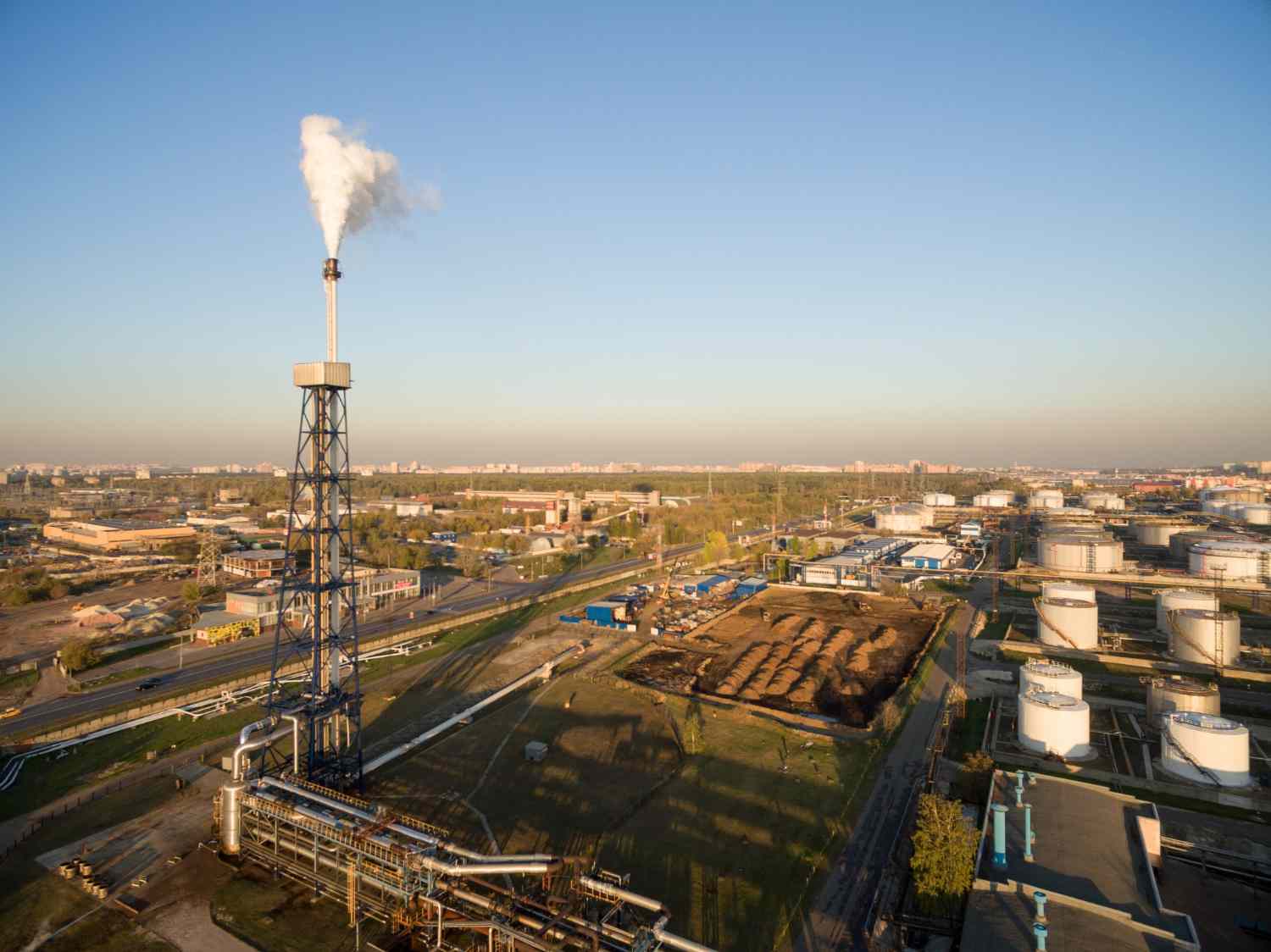
Fuel Distribution plays a huge role in keeping businesses across the United States running without delays, fuel shortages, or costly downtime.
Have you ever thought about what happens when a trucking company cannot get fuel on time? What about a construction crew sitting still because the machines are empty? Or a gas station losing customers because its tanks were not refilled before the morning rush?
These are real problems businesses face every day.
Fuel is not just something companies buy. It is part of their daily operations. Whether it is diesel, gasoline, bulk fuel, or emergency generator fuel, where a business is located and how close it is to a reliable fuel distribution area can make a big difference.
What Are Fuel Distribution Areas?
Fuel distribution areas are regions where fuel suppliers, terminals, storage facilities, delivery trucks, and transportation routes work together to move fuel to businesses and customers.
In plain English, these are the areas where fuel can be stored, transported, and delivered efficiently.
A strong fuel distribution area usually includes:
- Fuel terminals
- Bulk storage tanks
- Fuel delivery trucks
- Commercial fueling stations
- Trucking and logistics routes
- Nearby highways and industrial zones
- Access to diesel, gasoline, and other fuel products
When these parts work together, businesses get fuel faster and more reliably.
Why Fuel Distribution Matters for Businesses
For many companies, fuel is not optional. It keeps the workday moving.
Think about a delivery company with 30 trucks. If fuel is not available nearby, drivers may waste time traveling out of the way just to fill up. That means fewer deliveries, higher labor costs, and more stress on the schedule.
Fuel distribution affects:
- Delivery timelines
- Fleet operations
- Fuel costs
- Emergency readiness
- Customer service
- Equipment uptime
- Business planning
A reliable fuel distribution network helps businesses avoid last-minute problems and stay focused on the work they actually need to do.
Fuel Distribution and the US Supply Chain
The US supply chain depends heavily on fuel. Trucks move food, medicine, equipment, packages, building materials, and everyday products across the country.
If fuel distribution slows down, the impact can spread quickly.
For example:
- Grocery deliveries may arrive late.
- Construction projects may fall behind.
- Farms may struggle during harvest season.
- Manufacturers may slow production.
- Gas stations may run low during busy travel periods.
- Emergency generators may not be ready when needed.
That is why fuel distribution areas matter so much. They help keep fuel close to where businesses need it most.
Businesses That Depend on Strong Fuel Distribution Areas
1. Trucking and Logistics Companies
Trucking companies live by the clock. A delay of even one or two hours can affect multiple routes.
Strong fuel distribution areas help trucking businesses:
- Refuel faster
- Keep drivers on schedule
- Reduce unnecessary mileage
- Control fuel planning
- Support regional and long-haul routes
For fleet managers, good fuel access can mean smoother operations and fewer headaches.
2. Construction Companies
Construction sites use a lot of fuel. Excavators, bulldozers, generators, loaders, and cranes often depend on diesel.
When a job site is near a reliable fuel distribution area, fuel deliveries can be scheduled more easily.
That helps construction companies:
- Keep machines running
- Avoid idle crews
- Reduce project delays
- Improve job site efficiency
- Plan fuel needs ahead of time
Imagine paying a full crew to stand around because equipment has no fuel. That is the kind of problem good fuel distribution helps prevent.
3. Farms and Agricultural Operations
Farmers rely on fuel for tractors, harvesters, irrigation systems, transport vehicles, and generators.
During planting and harvest season, timing matters. A delay can affect crops, revenue, and the entire season.
Fuel distribution supports agriculture by helping with:
- Bulk fuel delivery
- Diesel storage
- Seasonal fueling plans
- On-farm fuel supply
- Emergency refueling
For farmers, fuel access is not just convenient. It is part of staying productive when the weather window is tight.
4. Gas Stations and Convenience Stores
Gas stations depend directly on fuel distribution. If fuel deliveries are late or inconsistent, the business loses sales fast.
Customers usually do not wait around when pumps are empty. They go somewhere else.
Reliable fuel distribution helps stations:
- Keep tanks filled
- Manage busy weekends and holidays
- Handle price changes
- Serve steady customer traffic
- Avoid fuel outages
For convenience store operators, fuel availability brings people onto the property. Those same customers may also buy drinks, snacks, lottery tickets, or other items inside.
5. Hospitals, Data Centers, and Emergency Facilities
Some businesses need fuel for backup power. Hospitals, senior living facilities, data centers, warehouses, and public safety buildings often depend on diesel generators during outages.
In emergencies, fuel delivery becomes critical.
A strong fuel distribution area can support:
- Generator refueling
- Storm response
- Backup power planning
- Emergency fuel delivery
- Business continuity
When the power goes out, having fuel nearby can make a serious difference.
How Location Impacts Fuel Delivery
Location plays a major role in fuel distribution.
A business near major highways, fuel terminals, or industrial routes may have easier access to fuel delivery. A business in a more remote area may need extra planning to avoid shortages.
Important location factors include:
- Distance from fuel terminals
- Access to highways
- Local traffic patterns
- Delivery truck availability
- Weather risks
- Storage tank capacity
- Local fuel demand
This is why businesses should not only ask, “How much does fuel cost?” They should also ask, “How reliable is fuel delivery in our area?”
Fuel Distribution Areas and Cost Control
Fuel prices can move up and down, but distribution also affects cost.
When fuel has to travel farther, delivery may become more expensive. When routes are inefficient, businesses may spend more on transportation, labor, and downtime.
Strong fuel distribution areas can help businesses with:
- Better delivery scheduling
- Lower transportation waste
- More predictable fuel planning
- Reduced emergency fuel needs
- Improved fleet efficiency
A company that plans fuel well usually has fewer surprises.
Common Fuel Distribution Challenges
Even good fuel distribution networks can face problems.
Some common challenges include:
- Severe weather
- Driver shortages
- Fuel supply interruptions
- High seasonal demand
- Traffic delays
- Equipment breakdowns
- Poor fuel level tracking
- Last-minute emergency orders
The best way to reduce these risks is preparation.
Businesses can protect themselves by:
- Monitoring fuel levels regularly
- Scheduling deliveries before tanks run low
- Keeping backup fuel plans in place
- Working with a reliable fuel supplier
- Reviewing usage trends
- Maintaining fuel storage tanks
A little planning can save a lot of trouble later.
What Businesses Should Look for in a Fuel Distribution Partner
Choosing the right fuel provider matters.
A good fuel distribution partner should understand your business, your schedule, and your fuel needs. They should not treat every customer the same.
Before choosing a fuel supplier, ask:
- Do they serve your area consistently?
- Can they handle your fuel volume?
- Do they offer bulk fuel delivery?
- Can they provide emergency fuel delivery?
- Do they support diesel, gasoline, or other fuel types you need?
- Are deliveries tracked properly?
- Do they communicate clearly?
- Can they help with fuel planning?
A dependable fuel partner can become part of your operations, not just another vendor.
Why Fuel Distribution Areas Matter More During Emergencies
Storms, power outages, supply chain issues, and sudden demand spikes can all put pressure on fuel networks.
During emergencies, businesses with good fuel planning and access to strong distribution areas are usually better prepared.
For example, a warehouse with a backup generator and scheduled fuel support may keep operating during a power outage. A company without a plan may be stuck waiting in line for emergency delivery.
Fuel distribution areas help businesses stay ready when normal conditions change.
The Future of Fuel Distribution in the US
Fuel distribution is changing. Businesses want faster delivery, better tracking, cleaner fuel options, and stronger planning tools.
The future may include:
- Smarter tank monitoring
- More efficient delivery routes
- Cleaner diesel and alternative fuels
- Better fleet fuel management
- Stronger emergency response systems
- More data-driven fuel planning
Even as energy options continue to grow, businesses across the US still need reliable fuel delivery every day.
The companies that understand their fuel distribution areas will be in a stronger position to manage costs, reduce downtime, and keep operations moving.
FAQs About Fuel Distribution
What is fuel distribution?
Fuel distribution is the process of storing, transporting, and delivering fuel from refineries, terminals, or suppliers to businesses, gas stations, fleets, job sites, and other users.
Why are fuel distribution areas important?
Fuel distribution areas are important because they affect how quickly and reliably businesses can receive fuel. A strong distribution area can reduce delays, improve planning, and support daily operations.
What businesses rely on fuel distribution?
Trucking companies, construction firms, farms, gas stations, hospitals, warehouses, manufacturers, logistics companies, and emergency facilities all rely on fuel distribution.
How does fuel distribution affect business costs?
Fuel distribution can affect costs through delivery distance, route efficiency, emergency fuel needs, downtime, and fuel planning. Better distribution access can help businesses control fuel-related expenses.
What is bulk fuel delivery?
Bulk fuel delivery is when large amounts of fuel are delivered directly to a business, storage tank, fleet yard, farm, or job site. It is commonly used by companies with high fuel demand.
Can fuel distribution help during emergencies?
Yes. Reliable fuel distribution can support emergency generator fueling, storm response, backup power, fleet operations, and critical business needs during outages or supply disruptions.
How can businesses improve fuel planning?
Businesses can improve fuel planning by tracking fuel usage, monitoring tank levels, scheduling deliveries early, maintaining storage tanks, and working with a trusted fuel distribution company.
Final Thoughts
Fuel may seem simple from the outside, but behind every full tank is a network of suppliers, trucks, terminals, drivers, and planning.
For businesses across the US, being in or near a strong fuel distribution area can mean fewer delays, better cost control, and more reliable operations.
When fuel gets where it needs to go, businesses keep moving, customers stay served, and daily operations stay on track.
That is why smart companies pay attention to Fuel Distribution.