
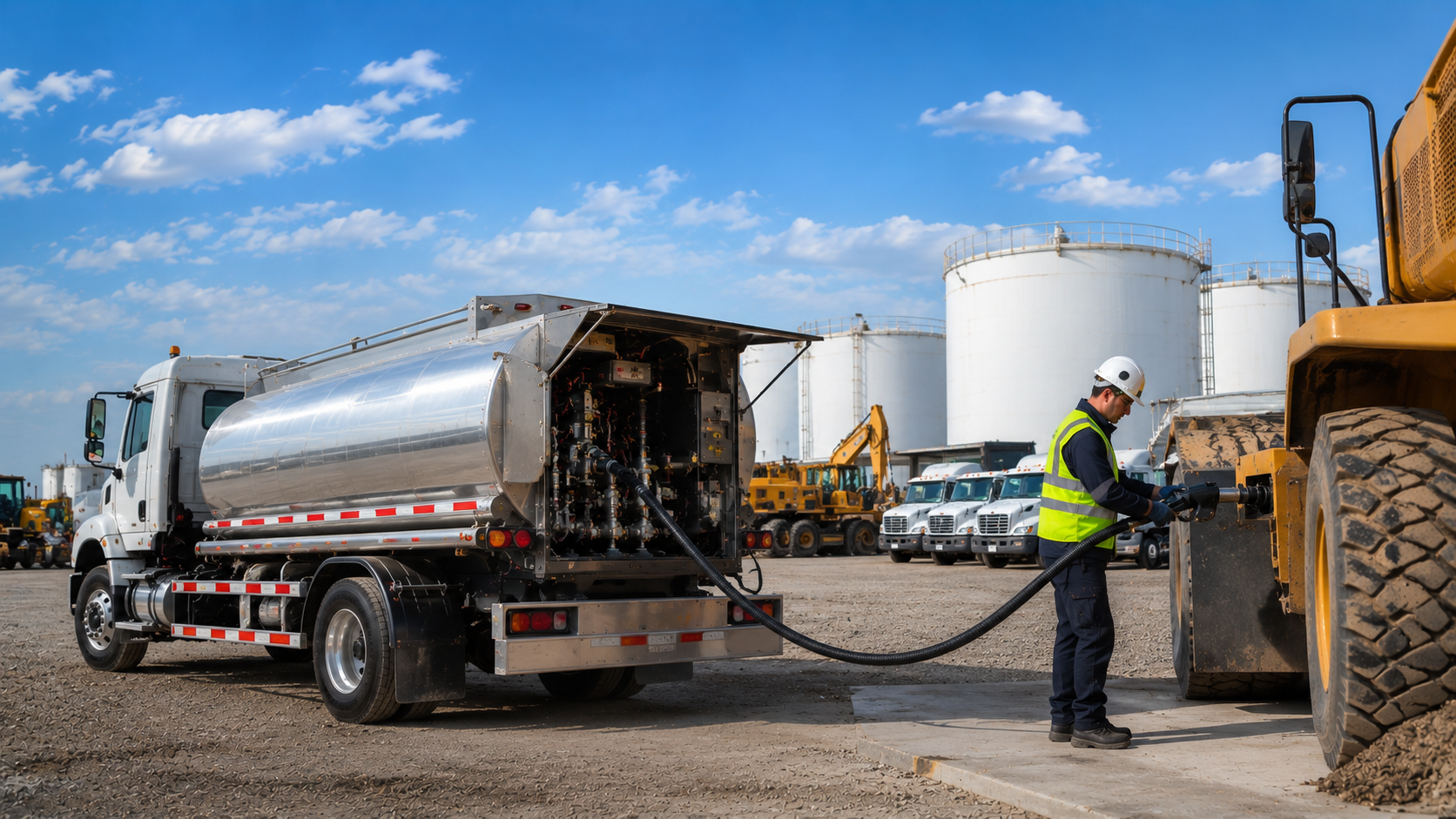
Why Businesses Choose On-Site Fuel Delivery Services
Every hour spent sending employees to a fuel station is time taken away from the job. For fleets, construction crews, farms, warehouses, and commercial properties, fuel delays can turn into missed routes, idle equipment, overtime, and higher operating costs.
That is why more companies are turning to On-Site Fuel Delivery as a smarter fuel management solution. Instead of moving vehicles and equipment to the fuel, a mobile fuel delivery service brings fuel directly to where the work happens. With the changing price of diesel fuel in Georgia, businesses are also looking for better ways to manage fuel purchasing, reduce waste, and keep operations running without unnecessary interruptions.
What Is On-Site Fuel Delivery?
On-Site Fuel Delivery is a service where fuel is delivered directly to vehicles, equipment, tanks, generators, or commercial locations instead of requiring businesses to refuel at gas stations.
The process is simple. A business schedules a delivery, confirms the fuel type and volume, and a fuel provider dispatches a truck to the site. Deliveries may include diesel fuel delivery, gasoline, off-road diesel, generator fuel, or bulk fuel delivery depending on the operation.
Some companies use scheduled deliveries every morning or week. Others need emergency fuel delivery during storms, power outages, route changes, or unexpected shortages. On-site fueling is especially valuable for fleets, construction companies, agricultural operations, logistics yards, manufacturing facilities, and commercial properties.
- Better fleet fueling control
-
Top Benefits of On-Site Fuel Delivery for Businesses
Reduced Equipment Downtime
When machines wait for fuel, production slows down. On-site fueling keeps equipment, trucks, and generators ready without pulling crews away from work.
Increased Productivity
Drivers, operators, and field crews can start faster when fuel is already handled. This is especially important for early route departures, construction starts, and time-sensitive commercial jobs.
Lower Labor Costs
Sending employees to fuel stations may seem small, but the lost time adds up. On-Site Fuel Delivery reduces paid time spent driving, waiting, fueling, and returning.
Better Fuel Management
A professional fuel provider can help track delivery volumes, schedule refills, and support fuel management services that make usage easier to monitor.
Improved Operational Efficiency
With predictable fuel logistics, businesses can plan better, reduce last-minute calls, and avoid unnecessary disruptions.
Main benefits include:
- Less downtime
- Fewer fuel station trips
More predictable fuel supply
- Improved job site fueling
- Reduced wear on vehicles
- Stronger fuel cost management
How a Mobile Fuel Delivery Service Saves Time and Money
A mobile fuel delivery service saves time by eliminating the need to send trucks, vans, or employees to fuel stations during the workday. Instead, fuel arrives where the vehicles or equipment are already parked.
For example, a construction company can have excavators, skid steers, light towers, and generators fueled before crews arrive. A logistics company can have delivery trucks ready before morning dispatch. A manufacturing facility can schedule generator fueling before storm season.
The savings often go beyond the fuel price itself. Businesses save on labor hours, reduce vehicle wear and tear, improve workforce utilization, and avoid downtime caused by low fuel. Over time, mobile fueling solutions can become a practical part of daily operations.
Understanding the Price of Diesel Fuel in Georgia
The price of diesel fuel in Georgia can change based on crude oil markets, refinery supply, taxes, transportation costs, seasonal demand, weather events, and regional fuel availability. For businesses that use diesel every day, even small price changes can affect operating budgets.
On-Site Fuel Delivery helps companies manage these changes with better planning. Instead of buying fuel in scattered small amounts, businesses can use bulk fuel delivery, scheduled deliveries, and fuel management services to improve purchasing control.
A good diesel fuel supplier can also help businesses plan around high-usage periods, construction schedules, generator needs, and fleet demand. While no provider controls the market price, better fuel logistics can reduce waste and improve cost predictability.
Industries That Benefit Most From On-Site Fuel Delivery
Transportation & Logistics
Fleet operators rely on fuel to keep routes moving. On-site fleet fueling helps trucks leave the yard ready, reduces driver delays, and supports tighter delivery schedules.
Construction Companies
Construction fuel delivery supports excavators, loaders, compressors, pumps, skid steers, and generators. Reliable job site fueling helps contractors avoid delays during critical project phases.
Agricultural Operations
Farms use diesel for tractors, harvesters, irrigation pumps, and utility equipment. During planting or harvest season, fuel delays can affect an entire day’s production.
Manufacturing Facilities
Manufacturing plants may need fuel for backup generators, yard trucks, heaters, forklifts, or support equipment. On-Site Fuel Delivery helps protect production schedules and facility uptime.
Commercial Property Management
Hotels, office parks, shopping centers, healthcare buildings, and apartment communities may need generator fuel, emergency fuel delivery, or scheduled diesel supply for backup systems.
Choosing the Right Fuel Provider
The right fuel provider should be more than a vendor. It should be a long-term fuel management partner that understands your operating schedule, fuel volume, service locations, and emergency needs.
When comparing providers, look at:
- Delivery coverage and service area
- Fuel quality standards
- Safety compliance and driver training
- Emergency fueling capabilities
- Fleet size and delivery capacity
- Customer support and communication
- Experience with commercial fuel delivery
A dependable provider should offer clean fuel, clear pricing, safe delivery practices, and flexible scheduling.
Why On-Site Fuel Delivery Is Growing in Popularity
On-Site Fuel Delivery is growing because businesses are under pressure to do more with fewer delays, fewer workers, and tighter budgets. Labor shortages make wasted time more expensive. Fleet optimization has become more important. Companies also want better visibility into fuel usage and operating costs.
Technology-driven fuel management, delivery tracking, usage reporting, and smarter scheduling are helping businesses move away from scattered fuel runs. For many companies, on-site fueling is no longer just a convenience. It is part of a stronger operations plan.
Frequently Asked Questions
What is on-site fuel delivery?
On-site fuel delivery brings fuel directly to vehicles, equipment, storage tanks, generators, job sites, or commercial facilities. Businesses use it to reduce downtime, avoid fuel station trips, and keep operations running with scheduled or emergency fuel support.
How does a mobile fuel delivery service work?
A mobile fuel delivery service dispatches a fuel truck to your business location, yard, job site, or facility. The provider delivers the requested fuel type and volume directly to vehicles, tanks, generators, or equipment based on your schedule.
Can on-site fuel delivery lower fuel costs?
On-site fuel delivery can help lower overall operating costs by reducing labor time, fuel station trips, vehicle wear, downtime, and emergency fuel issues. Businesses may also benefit from bulk fuel delivery and better fuel management.
What affects the price of diesel fuel in Georgia?
The price of diesel fuel in Georgia is affected by crude oil prices, supply and demand, refinery output, transportation costs, taxes, weather, and seasonal commercial usage. Businesses can manage costs better with planned fuel purchasing and scheduled delivery.
Which industries benefit most from on-site fueling?
Transportation, construction, agriculture, manufacturing, logistics, commercial property management, healthcare, and emergency service operations benefit most. Any business that depends on vehicles, diesel equipment, generators, or daily fuel access can use on-site fueling.
Conclusion
On-Site Fuel Delivery helps businesses reduce downtime, improve productivity, and manage fuel more efficiently. A reliable mobile fuel delivery service keeps fleets, equipment, generators, and job sites fueled without unnecessary trips to gas stations. With the changing price of diesel fuel in Georgia, better planning and bulk fuel delivery can also support stronger cost control. If your business depends on steady fuel access, request a fuel delivery consultation or quote from a trusted supplier today.