
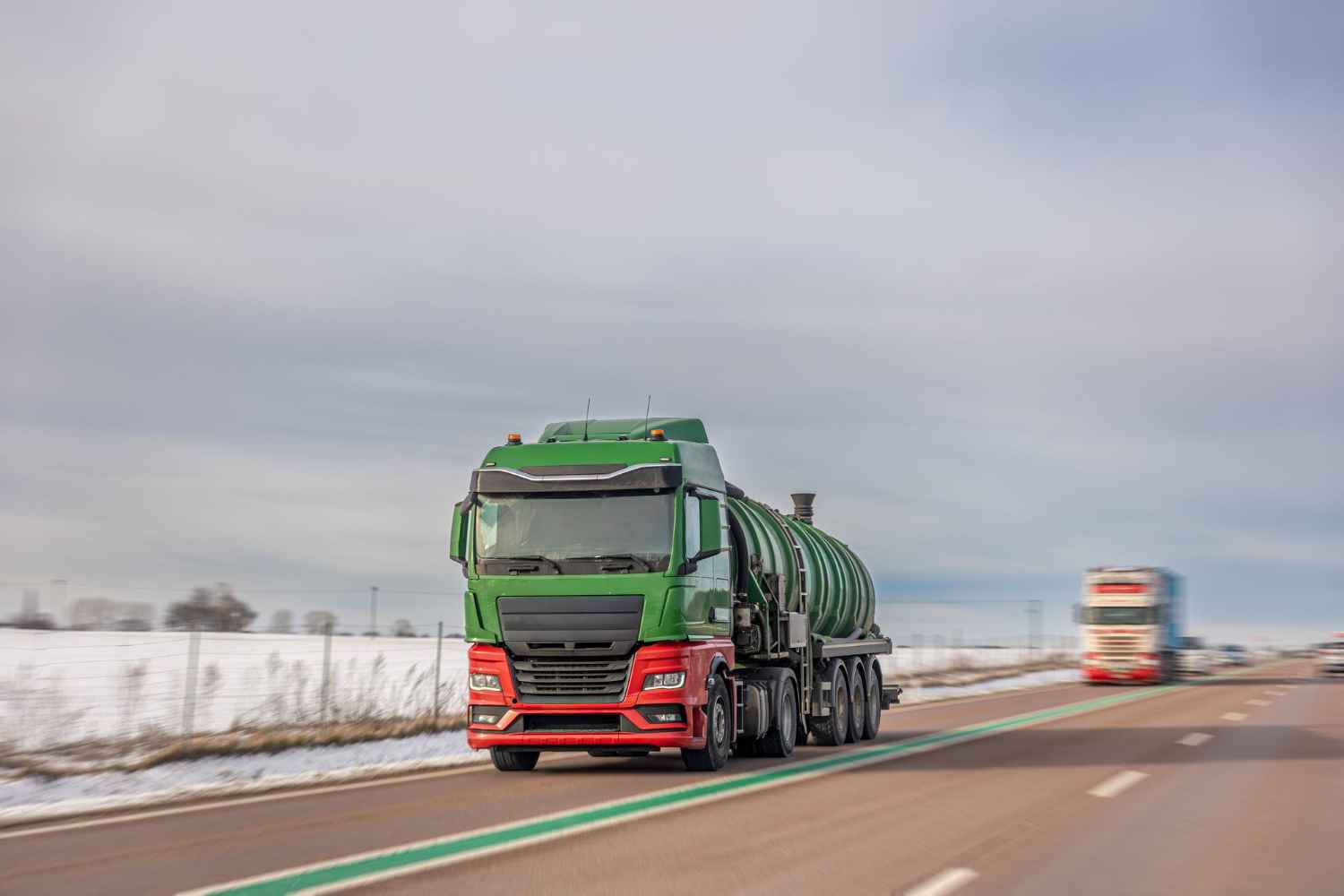
Diesel Distribution keeps trucks rolling, construction sites working, farms operating, generators ready, and businesses moving when timing matters most.
Ever wonder what happens if a delivery truck can’t refuel on time? What if a construction crew runs out of diesel halfway through a job? Or what if a hospital, warehouse, or manufacturing plant needs backup power during an outage?
That’s where diesel distribution comes in.
It may not always be the most talked-about part of the supply chain, but it is one of the most important. Across the United States, diesel fuel supports the industries people depend on every day, from freight and farming to emergency services and heavy equipment operations.
What Is Diesel Distribution?
Diesel distribution is the process of moving diesel fuel from refineries, terminals, and bulk storage locations to the businesses and equipment that need it.
In simple terms, it is how fuel gets from the source to the job site.
A diesel distributor may deliver fuel to:
- Trucking fleets
- Construction companies
- Farms and agricultural operations
- Warehouses and logistics centers
- Hospitals and backup generators
- Fuel stations and convenience stores
- Marine, rail, and industrial businesses
Without a reliable diesel fuel delivery system, many industries would slow down fast.
Why Diesel Distribution Matters So Much
Think about a busy construction site on a Monday morning. Crews are ready, equipment is lined up, and deadlines are tight. If the bulldozers, loaders, and generators don’t have fuel, the whole job can sit still.
That delay does not just cost time. It can cost thousands of dollars.
Reliable diesel distribution helps businesses avoid:
- Equipment downtime
- Missed delivery schedules
- Emergency fuel shortages
- Higher operating costs
- Lost productivity
- Customer delays
For industries that run on tight schedules, fuel is not just another expense. It is the thing that keeps the workday alive.
Diesel Distribution and America’s Supply Chain
The American supply chain depends heavily on diesel. From long-haul trucks to refrigerated trailers, diesel-powered vehicles move food, medical supplies, building materials, fuel, and everyday products across the country.
When diesel distribution works smoothly, products show up where they are supposed to be.
When it doesn’t, the impact can be felt quickly.
For example:
- Grocery stores may face delayed deliveries.
- Construction materials may arrive late.
- Manufacturers may slow production.
- Farmers may struggle during harvest season.
- Emergency backup systems may be put at risk.
Diesel is more than fuel. It is part of the backbone of American logistics.
Industries That Depend on Diesel Distribution
1. Trucking and Freight
Trucking is one of the biggest users of diesel fuel in the United States. Whether it is local delivery or cross-country freight, diesel keeps goods moving.
A strong diesel distribution network helps trucking companies:
- Keep routes on schedule
- Reduce fuel downtime
- Manage fleet fueling
- Plan fuel costs more efficiently
- Support regional and national deliveries
For fleet operators, fuel delays can throw off an entire route plan. That is why many companies rely on scheduled diesel delivery or bulk diesel supply.
2. Construction and Heavy Equipment
Construction equipment burns a lot of fuel. Excavators, cranes, skid steers, loaders, and generators all need steady diesel access.
On-site diesel delivery is especially valuable because crews do not have to waste time hauling equipment back and forth for fuel.
Benefits include:
- More time working
- Less equipment movement
- Safer fueling practices
- Better fuel tracking
- Fewer project delays
For a contractor, having fuel delivered directly to the site can make the day run much smoother.
3. Agriculture and Farming
Farmers rely on diesel for tractors, irrigation pumps, combines, harvesters, and transport vehicles.
During planting and harvest seasons, timing is everything. A fuel shortage at the wrong time can affect crops, schedules, and income.
Diesel distribution supports farms by helping with:
- Bulk fuel storage
- Seasonal fuel planning
- On-farm diesel delivery
- Emergency refueling
- Equipment uptime
A farmer does not have time to chase fuel when the weather window is right. The fuel needs to be there when the field is ready.
4. Emergency Power and Generators
Hospitals, data centers, senior living facilities, warehouses, and public safety buildings often use diesel generators for backup power.
When storms, grid failures, or emergencies happen, diesel delivery becomes critical.
Reliable diesel distribution helps keep backup generators ready for:
- Power outages
- Severe weather
- Emergency operations
- Business continuity
- Life safety systems
In these situations, diesel is not just about convenience. It can be about safety and survival.
5. Manufacturing and Industrial Operations
Manufacturing plants and industrial facilities may use diesel for equipment, backup power, boilers, yard trucks, and material handling.
A dependable diesel supplier helps prevent slowdowns and keeps operations predictable.
For businesses working around production schedules, fuel planning is part of protecting revenue.
How Diesel Distribution Works
Diesel distribution usually follows a clear process:
- Fuel is sourced from a refinery, terminal, or bulk fuel supplier.
- Fuel is stored in tanks at terminals or distribution facilities.
- Orders are scheduled based on customer needs.
- Fuel trucks deliver diesel to job sites, storage tanks, fleets, or equipment.
- Fuel levels are monitored to help prevent shortages.
Many fuel distributors also offer services like:
- Bulk diesel delivery
- On-site fleet fueling
- Emergency fuel delivery
- Tank monitoring
- Fuel management reporting
- Generator refueling
- Diesel exhaust fluid delivery
The goal is simple: get the right amount of fuel to the right place at the right time.
The Value of Bulk Diesel Distribution
Bulk diesel distribution is a smart option for companies that use large amounts of fuel.
Instead of sending drivers to fuel stations every day, businesses can store diesel on-site or receive scheduled fuel deliveries.
This can help with:
- Lower fuel-related downtime
- Better cost control
- Improved delivery planning
- Cleaner fuel records
- More efficient fleet operations
For example, a landscaping company with several trucks and machines may save hours each week by using bulk diesel delivery instead of sending employees to gas stations.
Those hours add up.
Why Reliable Diesel Delivery Is So Important
Fuel problems usually show up at the worst time.
A truck is loaded and ready. A generator is needed during a storm. A crew is waiting on equipment. A delivery deadline is already tight.
Reliable diesel distribution helps businesses stay ahead instead of reacting at the last minute.
A good diesel distributor should offer:
- Consistent delivery schedules
- Emergency support when available
- Clear communication
- Safe fuel handling
- Accurate billing and fuel tracking
- Knowledge of local and regional fuel needs
The best fuel partners understand that diesel delivery is not just about filling a tank. It is about keeping the customer’s business running.
Diesel Distribution and Fuel Management
Many companies are paying closer attention to fuel management because fuel costs can change quickly.
Good fuel management can help businesses understand:
- How much diesel they use
- Which equipment uses the most fuel
- When deliveries are needed
- Where waste may be happening
- How to plan for seasonal demand
With better tracking, businesses can make smarter decisions.
For example, a fleet company may discover that certain routes use more fuel than expected. A construction company may notice that equipment is idling too long. A farm may plan ahead before peak harvest demand.
Diesel distribution works best when delivery and planning go hand in hand.
Common Challenges in Diesel Distribution
Like any part of the supply chain, diesel distribution can face challenges.
Some common issues include:
- Weather delays
- Driver shortages
- Fuel price changes
- Supply disruptions
- Storage tank problems
- Last-minute emergency demand
- Poor fuel usage tracking
The key is preparation.
Businesses can reduce risk by:
- Keeping fuel levels monitored
- Scheduling deliveries early
- Working with a trusted diesel supplier
- Maintaining storage tanks
- Having an emergency fuel plan
- Reviewing usage regularly
A little planning can prevent a lot of stress later.
Choosing the Right Diesel Distribution Partner
Not every fuel provider is the right fit for every business.
Before choosing a diesel distributor, ask practical questions like:
- Do they deliver to your area?
- Can they handle your fuel volume?
- Do they offer emergency diesel delivery?
- Do they support bulk diesel and on-site fueling?
- Are they experienced with your industry?
- Do they provide clear invoices and delivery records?
- Can they help with fuel planning?
A strong diesel distribution partner should feel like part of your operations team, not just another vendor.
The Future of Diesel Distribution in America
Even with new energy technologies growing, diesel remains a major fuel source for transportation, construction, agriculture, emergency power, and industrial work.
The future of diesel distribution will likely focus more on:
- Cleaner fuel options
- Better delivery technology
- Smarter tank monitoring
- More efficient routing
- Reduced fuel waste
- Stronger supply chain planning
Businesses want fuel delivery that is dependable, safe, and easier to manage. Diesel distributors that can provide that will continue to play a major role in keeping America moving.
FAQs About Diesel Distribution
What is diesel distribution?
Diesel distribution is the process of delivering diesel fuel from terminals, refineries, or bulk suppliers to businesses, fleets, job sites, storage tanks, and equipment.
Why is diesel distribution important?
Diesel distribution keeps industries running by making sure fuel is available when and where it is needed. It supports trucking, construction, farming, emergency power, manufacturing, and many other operations.
What businesses use diesel delivery services?
Common users include trucking companies, construction contractors, farms, warehouses, hospitals, fuel stations, industrial plants, and companies with diesel-powered fleets or generators.
What is bulk diesel delivery?
Bulk diesel delivery is when larger quantities of diesel fuel are delivered directly to a business, fleet yard, job site, or storage tank. It helps companies reduce downtime and manage fuel more efficiently.
How does on-site diesel fueling help businesses?
On-site diesel fueling saves time because vehicles and equipment can be fueled where they are already working or parked. This reduces trips to fuel stations and helps crews stay productive.
Can diesel distributors provide emergency fuel?
Many diesel distributors offer emergency fuel delivery, especially for generators, fleets, and critical operations. Availability depends on the provider, location, weather, and fuel supply conditions.
How can a business avoid running out of diesel?
Businesses can avoid fuel shortages by monitoring tank levels, scheduling deliveries ahead of time, using fuel management systems, and working with a reliable diesel distribution company.
Final Thoughts
America’s industries do not move by accident. Behind the trucks, farms, job sites, warehouses, and backup generators is a fuel network working every day to keep operations steady.
When diesel arrives on time, crews keep working, deliveries stay on schedule, and businesses avoid costly delays.
That is the real value of Diesel Distribution.